Key Takeaways
- Rental is especially suitable for temporary or uncertain usage periods.
- Purchase is useful for long-term use and permanent laboratory capacity.
- Financing can help structure investment costs more predictably.
- The right option depends on technology, site conditions, budget and project duration.
When Renting a Laboratory Container Makes Sense
Renting a laboratory container makes sense when laboratory capacity is needed for a limited period or when the long-term development of the requirement is still uncertain. Typical situations include renovation projects, refurbishment phases, interim operation, temporary research projects, capacity peaks or short-term replacement space.
The main advantage of rental is flexibility. Companies can use additional laboratory space without immediately committing to a permanent infrastructure investment. If project scope, duration or capacity requirements change, a rental solution can often be extended, adjusted or returned depending on the commercial model.
Rental is especially relevant when speed, budget flexibility and operational continuity are more important than long-term ownership of the laboratory infrastructure.
When Purchasing a Laboratory Container Makes Sense
Purchasing a laboratory container makes sense when the additional laboratory capacity is required long-term and the site is intended for permanent use. In this case, ownership may be more economically suitable than a long-term rental solution.
Purchase is especially relevant for companies, research institutions or industrial operators that want to expand their laboratory infrastructure strategically. When usage, budget, site conditions and technical requirements are clearly defined, purchase provides long-term control over equipment, adaptation and operation.
However, the decision should not be made only from an investment perspective. Maintenance, technical integration, site conditions, future expandability and possible changes in the usage profile should also be considered.
Rental is usually suitable for temporary or uncertain requirements. Purchase becomes more relevant when laboratory capacity is needed long-term and the site strategy is clearly defined.
The Role of Financing and LabPool
In addition to rental and purchase, financing and LabPool may also be relevant. Financing can be useful when a long-term solution is planned but the investment should not be fully tied up at the beginning. This can help integrate permanent modular laboratory infrastructure into the budget more predictably.
LabPool is an alternative when an available existing unit technically matches the project. Existing laboratory units from previous projects can be reviewed for suitability. If equipment, room structure, condition and requirements align, LabPool can be an economically and operationally interesting option.
Whether rental, purchase, financing or LabPool is suitable therefore depends on more than price alone. The key factors are usage duration, technical requirements, site conditions, availability and strategic planning.
Procurement Models at a Glance
The right decision depends on whether laboratory capacity is needed temporarily, long-term, with budget flexibility or from available existing units.
Rental
LabPool
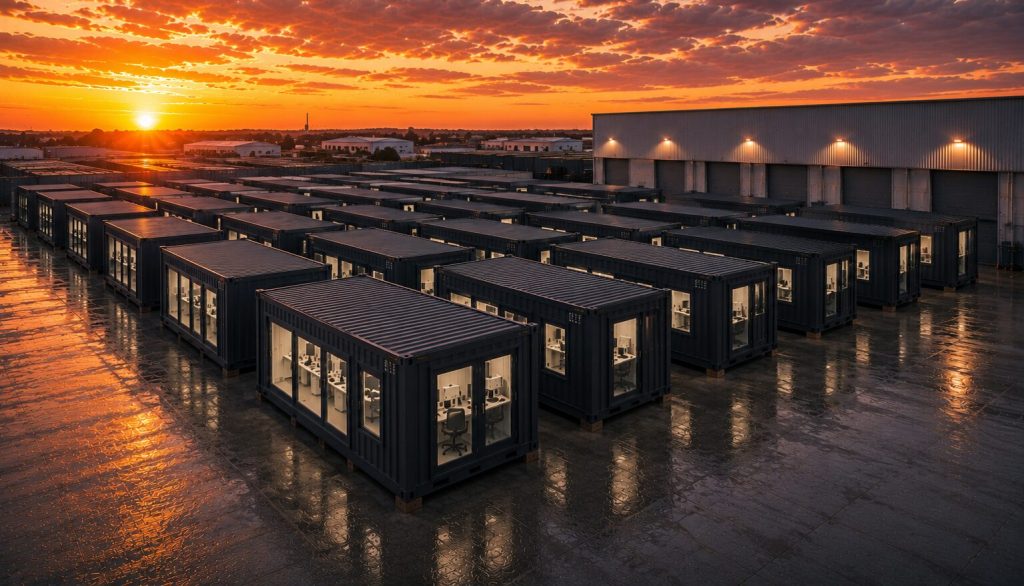
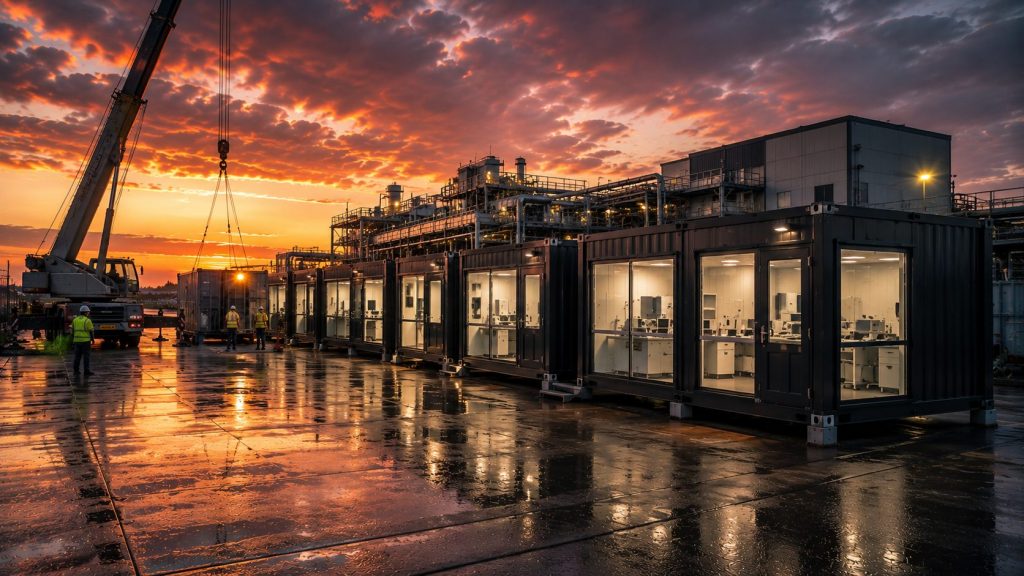
Preconfigured laboratory units for projects where our stock matches the requirement.
Purchase

Financing
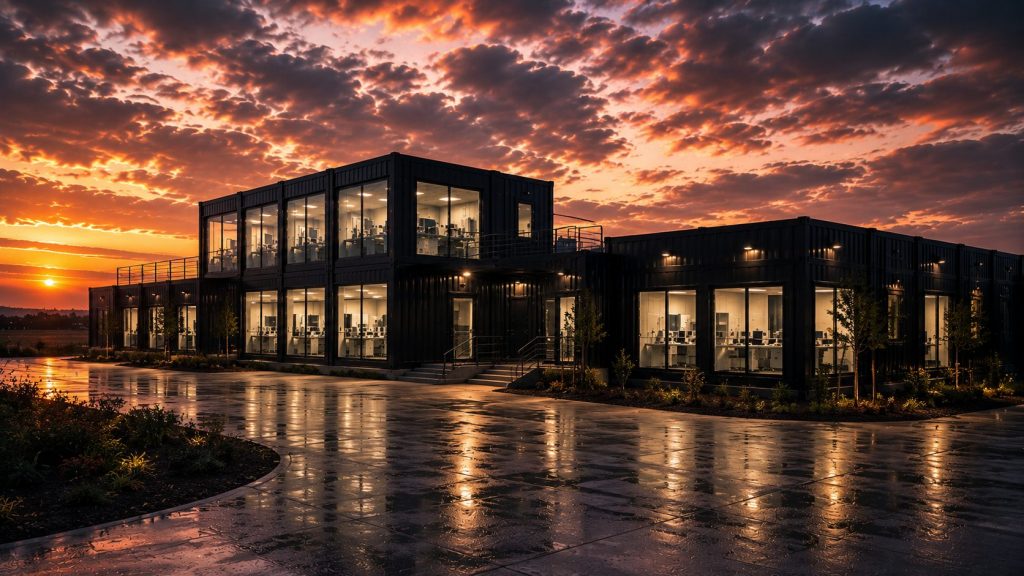
Structured financing models to support investment in laboratory infrastructure.
Purchase and Rental Compared
| Criterion | Rental | Purchase |
|---|---|---|
| Usage Duration | Suitable for temporary, project-based or still uncertain usage periods | Suitable for long-term and planned use at a defined site |
| Investment | Predictable rental costs without full upfront investment | Higher upfront investment with ownership of laboratory infrastructure |
| Flexibility | Extension, return or adjustment may be possible depending on the project model | Long-term control, but less short-term flexibility |
| Typical Use | Renovation, interim lab, research project, capacity peak or replacement space | Permanent expansion, site development or strategic laboratory infrastructure |
| Budget Logic | Suitable when capital commitment should be reduced or budget kept flexible | Suitable when investment budget is available and long-term use is secured |
| Decision Basis | Useful when need, project duration or future use are not fully secured yet | Useful when technical requirements, site and usage duration are clearly defined |
Technical Requirements and Site Conditions
Whether purchase or rental is more suitable depends not only on the commercial model. Technical requirements, site conditions and the planned use of the laboratory container are also decisive.
Important technical points include laboratory type, safety class, ventilation concept, utilities, power, water, wastewater, compressed air, specialty gases, data network, equipment integration and requirements for surfaces or monitoring. A simple analytical laboratory has different requirements than a microbiology area, a GMP-oriented laboratory or a technical quality control environment.
The site also influences the decision. Available installation space, ground load capacity, access, connection options, drainage, fire protection distances and possible approval requirements should be reviewed early. The more complex the site and equipment requirements are, the more important a project-specific review becomes before deciding between purchase and rental.
When LAB Modulbau Can Support
LAB Modulbau supports companies, research institutions and operators of technical laboratory environments in deciding between rental, purchase, financing and LabPool. The focus is not only the commercial model, but which solution fits the project technically, economically and strategically.
During a project review, usage duration, laboratory type, utilities, ventilation, safety requirements, site conditions, budget framework and required flexibility are evaluated. This provides the basis for assessing whether a rented laboratory container, a purchase, financing or an available LabPool unit is suitable.
An early review is especially relevant when the requirement is not fully defined yet but additional laboratory capacity is needed. Technical feasibility, cost structure and the appropriate delivery model can then be assessed before a procurement decision is made.
Frequently Asked Questions
Rental is usually suitable when the laboratory container is needed only temporarily or when the usage period is still uncertain. Typical cases include renovation projects, interim operation, capacity peaks or short-term replacement space. Rental reduces upfront investment and keeps the procurement model more flexible.
Purchase can make sense when additional laboratory capacity is needed long-term, the site is planned for permanent use and investment budget is available. Ownership provides more control over use, equipment and long-term integration into laboratory infrastructure.
Financing can be relevant when a permanent modular laboratory solution is planned, but investment costs should be structured over a longer period. Whether financing is suitable depends on budget planning, usage duration and project strategy.
LabPool can be an alternative if an available existing laboratory unit technically fits the project. Equipment, condition, room structure, availability and adaptation requirements are decisive. If these factors match, LabPool can be an interesting option alongside rental or purchase.
Important information includes usage duration, laboratory type, technical equipment, safety requirements, utilities, site conditions, budget framework and required flexibility. Only with this information can it be assessed reliably whether rental, purchase, financing or LabPool is the right option.