Key Takeaways
- Costs depend strongly on size, equipment and technical complexity.
- Ventilation, utilities, safety class and equipment integration are major cost drivers.
- Rental, purchase, financing and LabPool create different cost structures.
- A reliable cost estimate is only possible after a technical project review.
Which Factors Influence the Cost of a Laboratory Container
The cost of a modular laboratory container depends on more than the size of the module. The decisive factors are intended use, technical equipment, safety requirements, utility connections and site conditions.
A basic laboratory space has different requirements than a chemical analytical laboratory, a microbiology area, a GMP-oriented laboratory or a laboratory with complex ventilation and media systems. Equipment integration, fume hoods, temperature control, wastewater, compressed air, specialty gases and monitoring can all influence the cost range significantly.
For this reason, a laboratory container should not be calculated like a standard container. The cost is created by the combination of space, technology, laboratory infrastructure, installation and project-specific adaptation.
Why Fixed Standard Prices Are Rarely Useful
Fixed standard prices for laboratory containers are rarely reliable because two projects with the same floor area can have completely different technical requirements. The actual cost depends on which processes take place in the laboratory, which safety requirements apply and how strongly the container must be integrated into existing infrastructure.
One project may mainly require additional workspace. Another project may require defined air exchange rates, exhaust air routing, utility connections, special surfaces, equipment positioning and documented technical requirements. Both solutions may look similar from the outside, but they can differ significantly in technical complexity and cost.
A realistic cost assessment is therefore only possible once the intended use, site conditions, equipment level and delivery model have been reviewed.
The key cost question is not only how large the laboratory container should be, but which technical function it must fulfill in operation.
Rental, Purchase, Financing or LabPool in Cost Comparison
The cost structure differs significantly depending on whether a modular laboratory container is rented, purchased, financed or reviewed as an available LabPool unit.
Rental is especially suitable for temporary projects, renovation phases, interim operation or uncertain usage periods. Purchase can be useful when the laboratory infrastructure will be used long-term and investment budget is available. Financing may be relevant when a permanent solution is planned but the investment should be structured over a longer period.
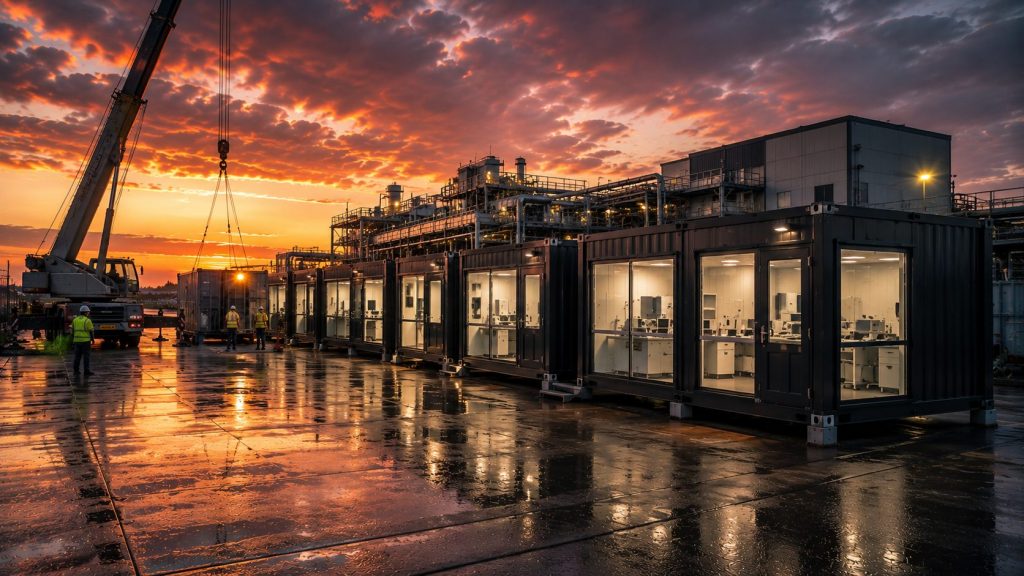
LabPool units can be interesting when an available existing laboratory technically fits the project. In this case, the cost range depends on condition, equipment, adaptation requirements and availability of the unit.
Rental
LabPool
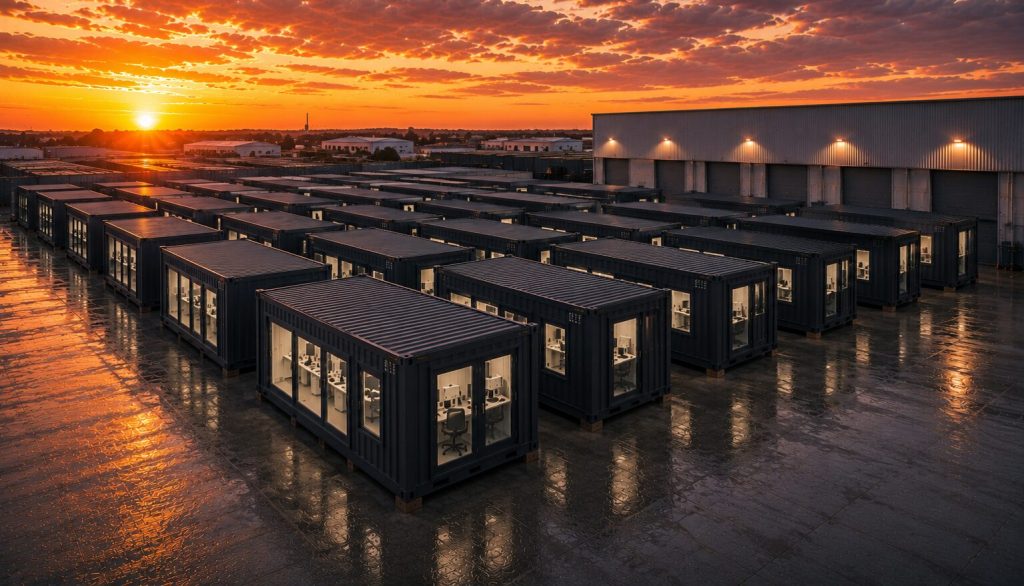
Preconfigured laboratory units for projects where our stock matches the requirement.
Purchase

Financing

Structured financing models to support investment in laboratory infrastructure.
Cost Structure Compared: Rental, Purchase, Financing and LabPool
| Model | Typical Advantages | Cost Logic |
|---|---|---|
| Rental | Suitable for temporary projects, renovation phases, interim operation or uncertain usage periods | Predictable ongoing rental costs instead of full upfront investment |
| Purchase | Useful for long-term use and permanent need at the site | Higher upfront investment with long-term ownership structure |
| Financing | Relevant when a permanent solution is planned but budget should be structured | Investment is represented predictably over a longer period |
| LabPool | Interesting when an available existing unit technically fits the project | Costs depend on condition, equipment, adaptation needs and availability |
| Project Configuration | Required for specific requirements around ventilation, utilities, safety class or equipment integration | Costs depend on technical specification, equipment and integration effort |
Technical Equipment as a Key Cost Driver
Technical equipment is one of the most important cost drivers for modular laboratory containers. Ventilation, exhaust air, utility supply, electrical installation, water, wastewater, compressed air, specialty gases, safety equipment and requirements for surfaces or monitoring are especially relevant.
A laboratory container for basic sample preparation differs significantly from a chemical analytical laboratory, a microbiology laboratory or a GMP-oriented area. The higher the requirements for air handling, safety, technical media and documentation, the more strongly the equipment influences the cost range.
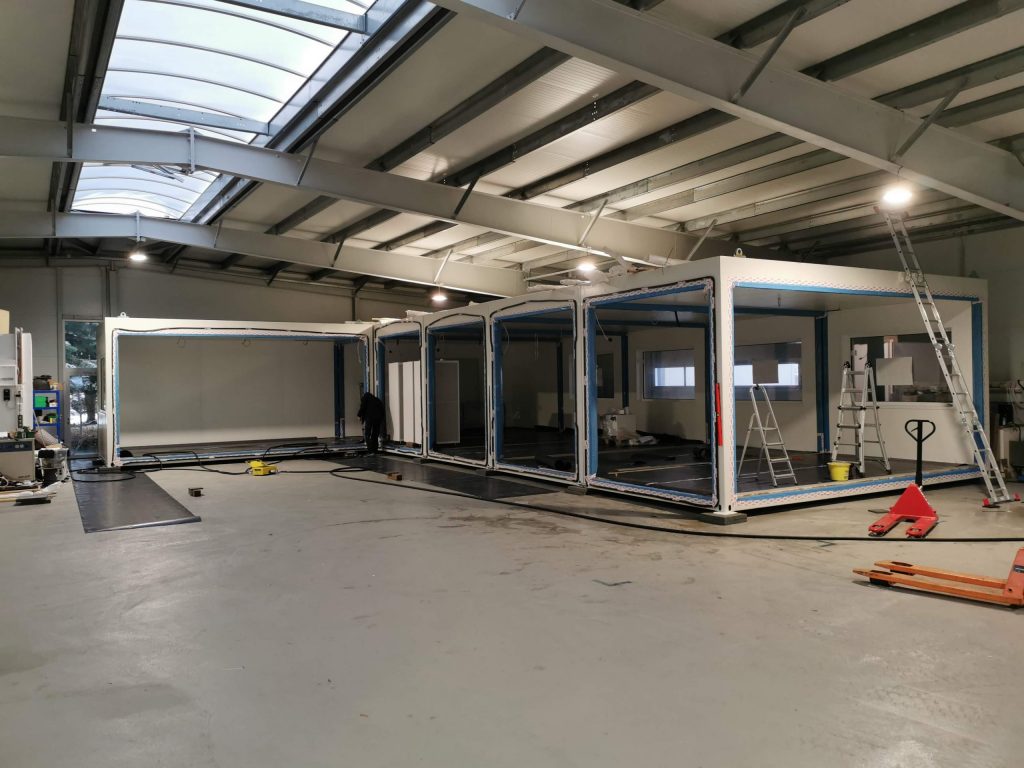
Equipment integration can also become relevant. Heavy equipment, sensitive analytical systems, special utility connections or defined temperature conditions should be considered early so that room layout, technical systems and operation fit together.
Site Conditions and Installation Effort
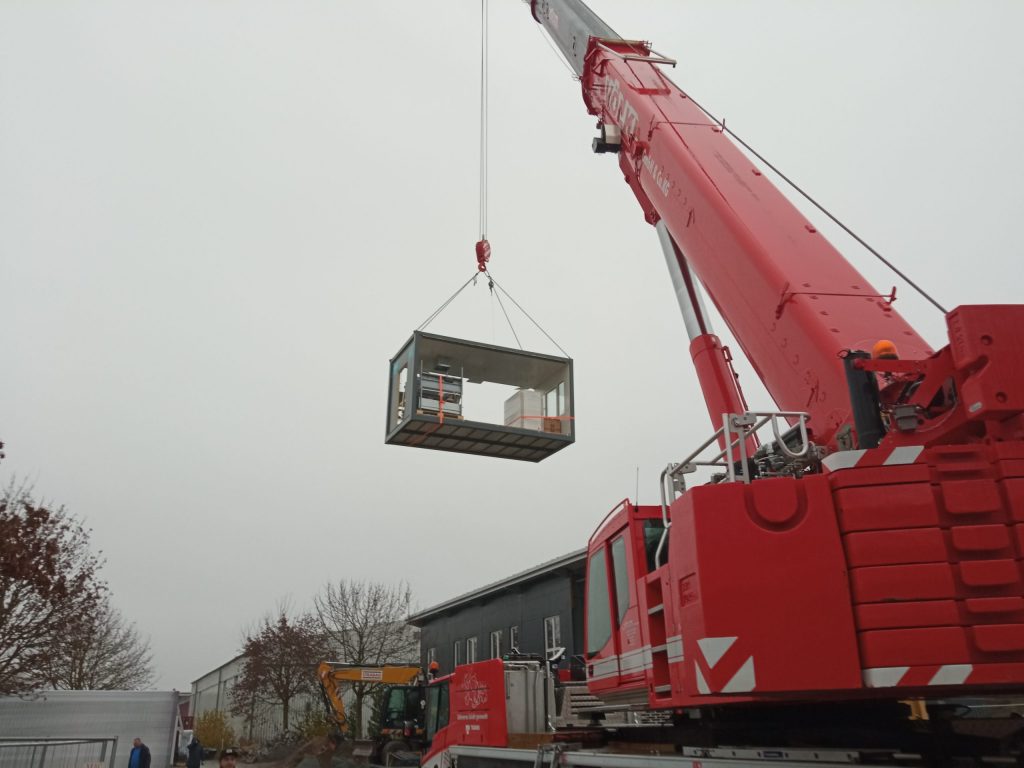
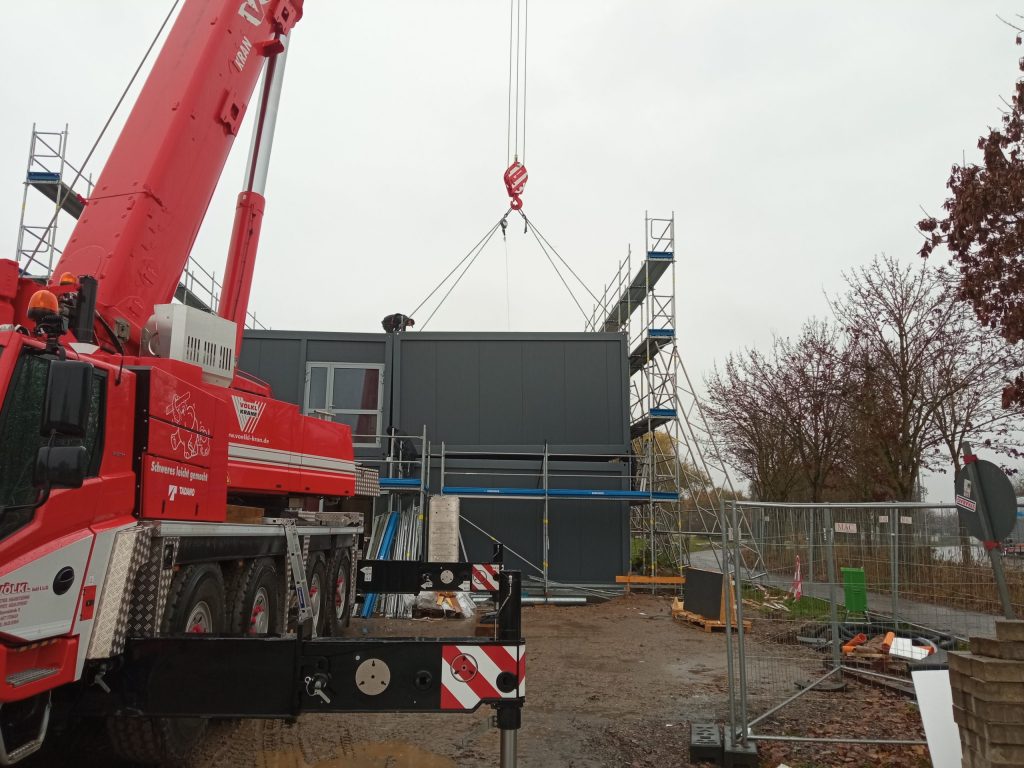
In addition to equipment, the site also influences cost. A modular laboratory container requires a suitable installation area, safe access, connection options and, depending on the project, preparation for foundation, utility routing, drainage or crane positioning.
Important factors include ground load capacity, accessibility, distance to power, water, wastewater and network connections, fire protection distances, approval requirements and integration into existing operations. If these conditions are already well prepared, installation effort may be lower.
If additional site preparation, technical development or regulatory coordination is required, this must be considered in the cost framework. Early site review is therefore essential.
When LAB Modulbau Can Support
LAB Modulbau supports companies, research institutions and operators of technical laboratory environments in assessing costs, feasibility and suitable delivery models. The focus is not only on a price, but on whether a modular laboratory container can be implemented technically, economically and site-specifically.
During a project review, intended use, laboratory type, safety requirements, utilities, ventilation, installation area, approval situation, required usage duration and budget framework are evaluated. This provides the basis for assessing whether rental, purchase, financing or an available LabPool unit is suitable.
An early inquiry is especially useful when budget, timeline or technical requirements are not yet fully defined. LAB Modulbau can help define a realistic cost framework and the appropriate implementation option for the laboratory project.
Frequently Asked Questions
A fixed price is rarely reliable without a project review. Costs depend on size, intended use, technical equipment, safety requirements, utility supply, site conditions and delivery model. The concrete requirement should therefore be reviewed first.
The main cost drivers are ventilation, utilities, safety class, equipment integration, surface requirements, water and wastewater, electrical installation, monitoring and integration into existing infrastructure. Site preparation and approval requirements can also be relevant.
Rental is often suitable when the requirement is temporary, project-based or uncertain. Purchase may be more economical when the laboratory container is used long-term. The suitable option depends on usage duration, budget, equipment and site strategy.
A LabPool unit can be interesting if an available existing laboratory technically fits the project. The potential benefit depends on equipment, condition, adaptation needs and availability. Whether LabPool is suitable must be reviewed project-specifically.
Important information includes laboratory type, intended use, required size, technical equipment, safety requirements, utility needs, site conditions, usage duration and preferred delivery model. The more precise this information is, the more reliable the cost framework can be.