Key Takeaways
- Modular laboratory containers can create additional lab capacity without traditional construction.
- Suitable use cases include growth, project peaks and overloaded laboratory areas.
- Installation may be possible on existing operational areas if site conditions allow it.
- Rental, purchase, financing or LabPool should be assessed based on need and usage duration.
Contents
- Why Additional Laboratory Capacity Is Often Needed Quickly
- Why Traditional Laboratory Construction Is Not Always the Right Solution
- How Modular Laboratory Containers Create Additional Lab Space
- Technical Requirements and Site Conditions
- Rental, Purchase, Financing or LabPool
- Frequently Asked Questions
Frequently Asked Questions
Laboratory demand rarely grows in a perfectly predictable way. Capacity pressure often develops through new projects, increasing sample volumes, additional equipment, regulatory requirements or growing teams. What starts as an internal bottleneck can quickly become an operational problem.
Research, development, diagnostics, quality control and industrial analytics are especially affected. When existing laboratory areas are overloaded, workflows slow down, equipment cannot be used efficiently and new projects may be delayed.
In these situations, additional laboratory capacity is needed without immediately making traditional new construction realistic or economically suitable.
Laboratory demand rarely grows in a perfectly predictable way. Capacity pressure often develops through new projects, increasing sample volumes, additional equipment, regulatory requirements or growing teams. What starts as an internal bottleneck can quickly become an operational problem.
Research, development, diagnostics, quality control and industrial analytics are especially affected. When existing laboratory areas are overloaded, workflows slow down, equipment cannot be used efficiently and new projects may be delayed.
In these situations, additional laboratory capacity is needed without immediately making traditional new construction realistic or economically suitable.
Why Traditional Laboratory Construction Is Not Always the Right Solution
Traditional laboratory construction can be suitable for long-term site strategies. For short-term or medium-term capacity problems, however, it is often too slow, too capital-intensive or too inflexible.
Planning, approval, construction, technical fit-out and commissioning require significant lead time. Ventilation, utilities, fire protection, wastewater, safety requirements and operational integration also need to be coordinated.
When laboratory capacity must be expanded during ongoing operations, modular laboratory construction creates a different starting point. It is not a replacement for every construction method, but a flexible addition when speed, scalability and site use are decisive.
A modular laboratory expansion should be reviewed when additional laboratory capacity is needed faster than traditional construction can realistically be planned, approved and implemented.
How Modular Laboratory Containers Create Additional Lab Space
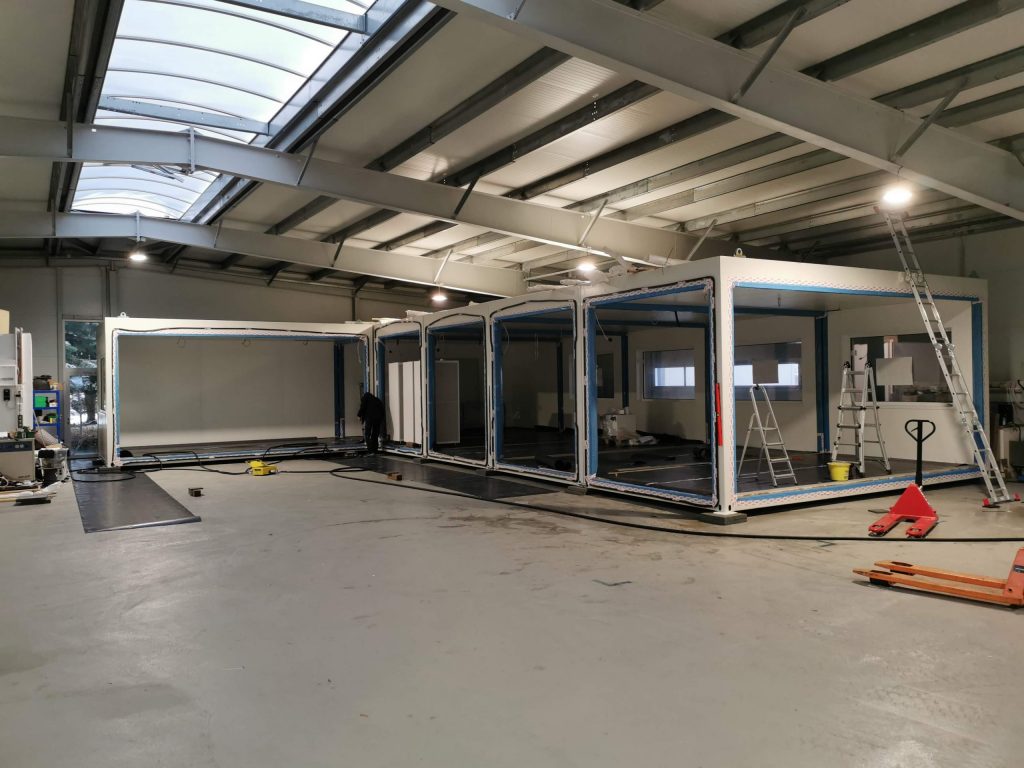
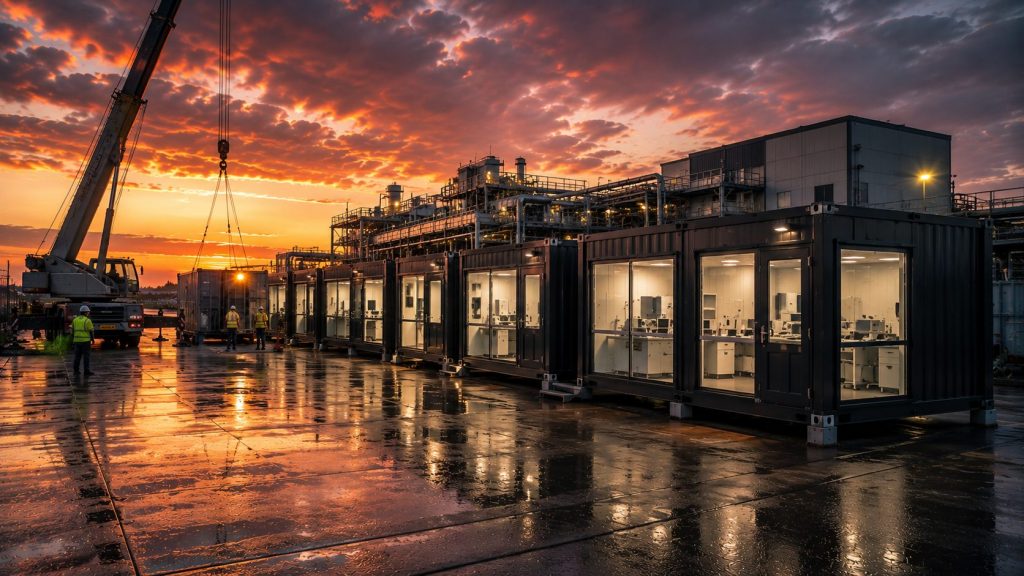
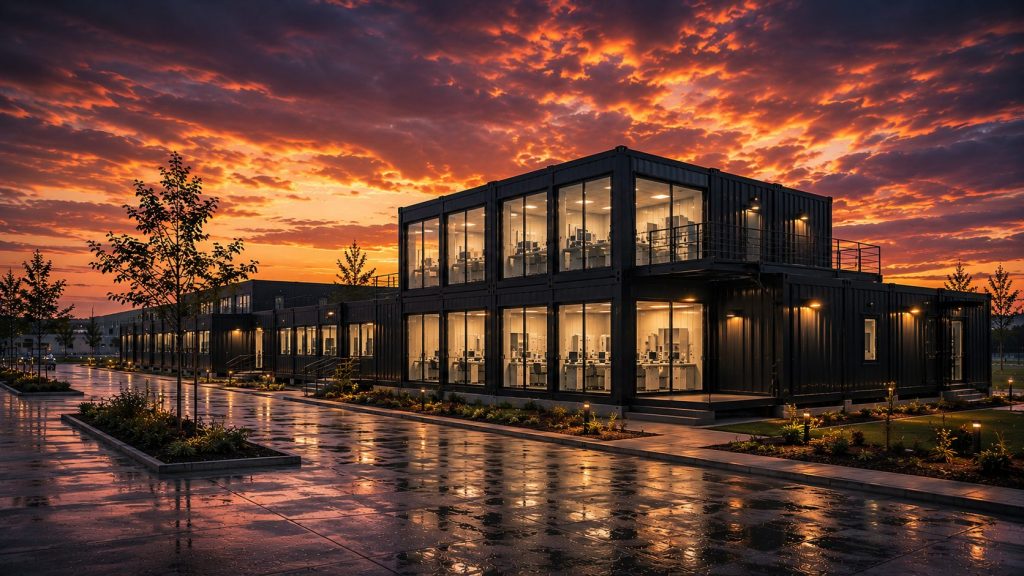
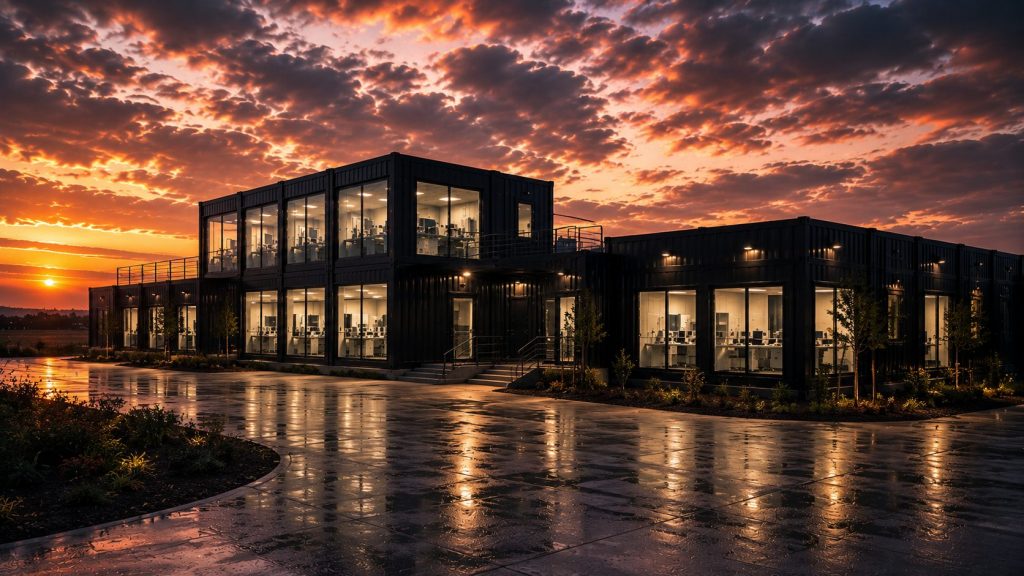
Modular laboratory containers are technically equipped room modules that can be configured for laboratory-specific use. Depending on the project, they can provide individual laboratory workstations, connected laboratory units or complete modular laboratory areas.
Installation may be possible on existing operational areas, such as paved parking areas, yard areas, free site sections or other suitable usable spaces. Key factors include ground load capacity, access, utility connections, drainage, safety distances and possible approval requirements.
This makes it possible to create additional laboratory space without immediately constructing a new building. The specific feasibility always depends on intended use, safety class, technical equipment and site conditions.
Modular Laboratory Capacity Compared with Traditional Construction
| Criterion | Modular Solution | Traditional Construction |
|---|---|---|
| Lead Time | Depends on configuration, availability and site conditions | Often requires longer planning, approval and construction phases |
| Investment | Scalable model with rental, purchase, financing or LabPool possible | High CAPEX requirement and long-term capital commitment |
| Usage Flexibility | Temporary or permanent use possible depending on the project | Usually long-term and structurally fixed |
| Site Area | Existing operational areas may be used if technically suitable | Often requires a dedicated construction site or expansion reserve |
| Scalability | Modular expansion or later adaptation may be possible | Structural expansion is often complex and requires long-term planning |
| Uncertain Demand | Suitable for growing, temporary or still unclear capacity requirements | Less flexible when requirement or usage duration is not yet secured |
Technical Requirements and Site Conditions
Before a modular laboratory expansion can be planned in detail, technical requirements and site conditions must be reviewed. These factors determine which configuration is feasible and what lead time should be considered for planning, approval, equipment and installation.
Important technical points include laboratory type, safety class, ventilation concept, utility supply, wastewater, electrical supply, data network, equipment requirements and requirements for surfaces, temperature control or monitoring. An analytical laboratory has different requirements than a microbiology laboratory, a diagnostic laboratory or an industrial quality control area.
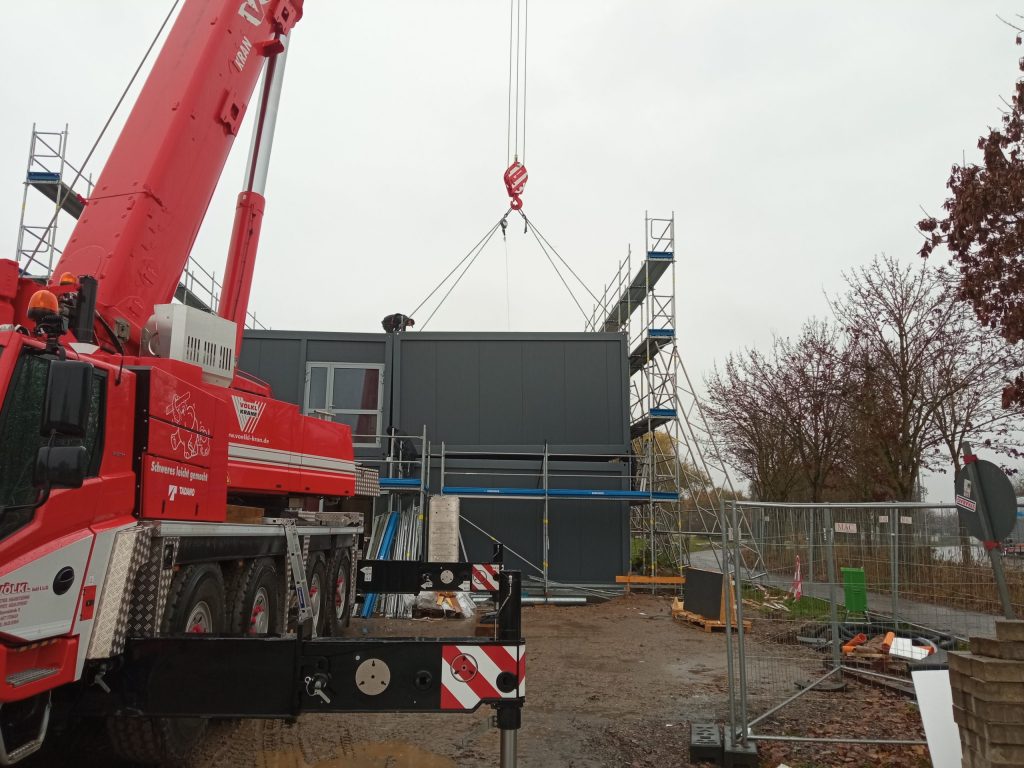
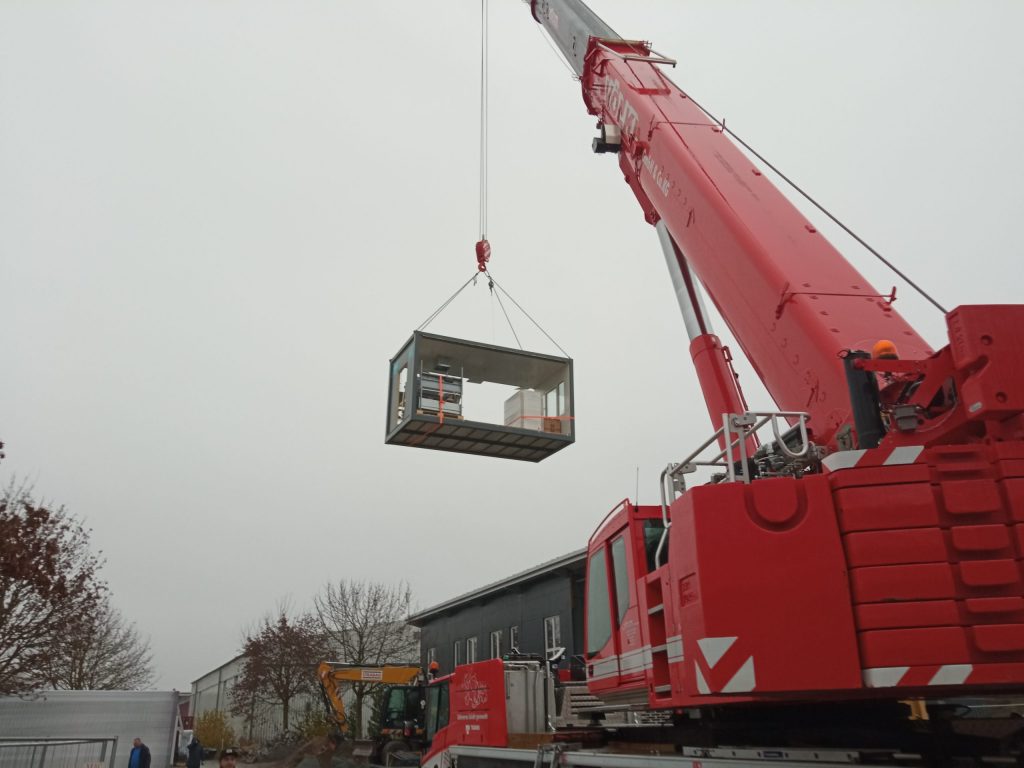
The site must also be suitable. Relevant factors include available installation space, ground load capacity, access for delivery or crane positioning, connection options, drainage, fire protection distances and possible approval requirements. Whether a laboratory container can be installed at the site must therefore always be evaluated project-specifically.
Rental, Purchase, Financing or LabPool
Different procurement models may be relevant when additional laboratory capacity is needed. The right option depends on usage duration, budget, technical requirements and urgency.
Rental is especially suitable for temporary, project-based or still uncertain capacity requirements. If additional laboratory space is needed only for an interim phase, a research project or a limited growth phase, rental keeps the solution flexible.
Purchase can be useful when the additional laboratory capacity is required long-term and permanent modular laboratory infrastructure is planned at the site. Financing may be relevant when a long-term solution is desired, but investment costs should be structured more predictably.
LabPool is especially interesting when an available existing unit with suitable equipment is available. Whether a LabPool unit fits the project depends on room structure, technical condition, equipment and the specific requirements.
Rental
Purchase
Financing
Structured financing models to support investment in laboratory infrastructure.
LabPool
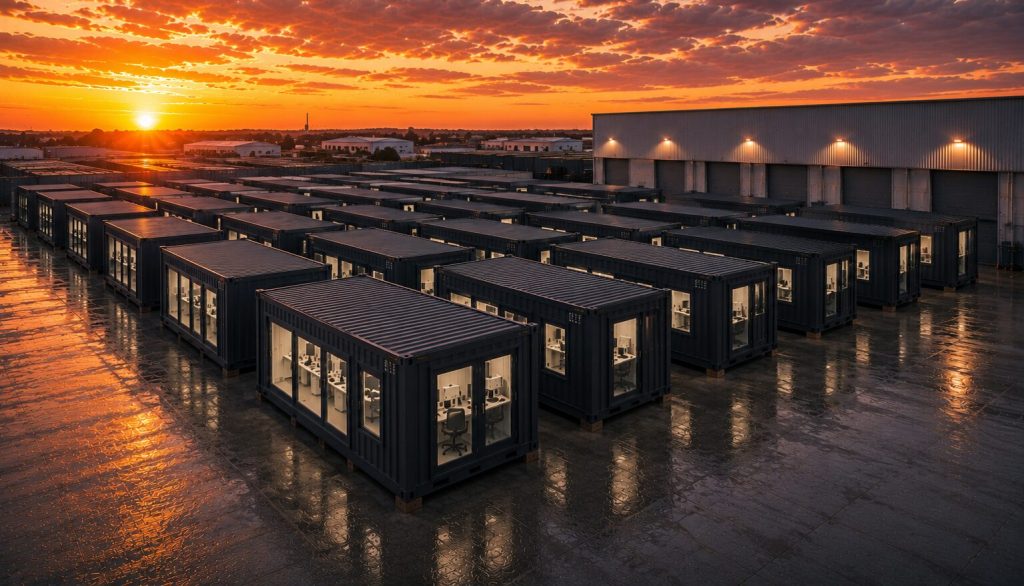
Preconfigured laboratory units for projects where our stock matches the requirement.
When LAB Modulbau Can Support
LAB Modulbau supports companies, research institutions and operators of technical laboratory environments in reviewing additional modular laboratory capacity. The focus is not only whether a laboratory container is available, but whether site conditions, intended use, technical requirements and procurement model fit together.
During a project review, laboratory type, utility requirements, ventilation, safety requirements, installation area, approval situation, budget framework and desired usage duration are evaluated. This provides the basis for assessing whether rental, purchase, financing or an available LabPool unit is suitable.
An early inquiry is especially relevant when existing laboratory areas are already overloaded, new projects need to start or additional laboratory workstations are required at short notice. The earlier feasibility is reviewed, the more planning flexibility remains.
Frequently Asked Questions
The timeline depends on requirements, configuration scope, availability and site conditions. Suitable LabPool units may have a shorter lead time than project-specific new configurations. Approvals, utility connections and site access are major influencing factors.
Possible installation areas include paved parking areas, yard areas, free operational spaces or other suitable site areas. Feasibility depends on ground load capacity, access, utility supply, drainage, safety distances and approval requirements.
Modular laboratory containers can be designed for GMP-relevant or ISO-related requirements depending on the project. Important factors include surfaces, ventilation, monitoring, documentation, utility supply and the operator’s specific processes. Feasibility must be reviewed individually.
With rental, a modular laboratory container is provided for a defined period and reviewed project-specifically. LabPool includes available existing laboratories from previous projects. If a LabPool unit matches the requirement profile, it can be an interesting option for additional laboratory capacity.
Purchase can make sense when the additional laboratory requirement is permanent, predictable and strategically relevant. For temporary, uncertain or project-based requirements, rental is usually more flexible. The suitable commercial model depends on usage duration, budget, equipment and site strategy.